
Safety Audits & Inspections
Protecting people. Strengthening business.
Safety audits and inspections that highlight risks, verify systems, and help protect what matters most.
Audits vs Inspections
Audits and inspections are often used interchangeably, but they are not the same. Here’s how they different, and when you need each one.

WHS Audit
Verify safety systems are designed and operating as intended

Safety Inspection
Confirm safety controls are working on the ground, in real time
Safety audits
A clear look at how systems are really performing.
Our WHS auditing services throughout Perth and WA provide a structured review of how well safety systems are designed, implemented and maintained. They’re ideal for understanding gaps, confirming compliance, and identifying smarter ways of working, whether across a single site or an entire organisation.
A structured review of your safety systems and documentation against relevant standards, including ISO 45001 and AS/NZS 4801. These audits are ideal for identifying gaps, improving alignment, and preparing for broader transformation.
Our WHS Audit Methodology
Every WHS audit we deliver follows a structured five-stage methodology, adapted to your industry, standards and operating context. The stages are consistent; the depth and scope are tailored to what you need.
-
Align
We agree on the audit boundaries, criteria, stakeholders and reporting requirements upfront. This includes which sites, systems, contracts or operations are in scope, the standards or frameworks we are auditing against, and how findings will be assessed and reported.
As experienced safety audit consultants, we identify the key stakeholders and make sure everyone involved is aligned on what we are auditing, why we are doing it and what a successful outcome looks like. Clear alignment at the start keeps the WHS audit focused, efficient and useful.
-
Discover
Our WHS auditors get close to the work. We observe operations, review documentation and records, interview relevant people and test how effectively controls are working in practice. The level of WHS audits and assessments is calibrated to the scope: from focused half-day audits through to multi-week audit programs across multiple sites or operations.
The objective is not simply to check whether documentation exists, but to understand what is actually happening and whether your WHS system and controls are working as intended.
-
Develop
We analyse and consolidate the evidence into clear, defensible findings. Through rigorous WHS compliance audits, findings are documented with appropriate ratings, supporting evidence, root-cause context and prioritised recommendations. We distinguish between what is working, where gaps or risks exist, and what requires action.
Reports are written for the people who need to make decisions and take action: not simply to satisfy an audit requirement and sit on a shelf.
-
Deliver
We communicate the findings to the right stakeholders and support the organisations in determining what happens next. This includes walking the team through the findings, clarifying evidence and recommendations, supporting the design of practical corrective actions and, where required, retesting controls or verifying close-out.
A WHS audit only creates value when the findings are understood, owned and translated into action.
-
Debrief
We formally close out the audit against the objectives and criteria agreed during the Align phase. We confirm that the required deliverables have been completed, key findings and actions are understood, responsibilities are clear and any outstanding matters have an agreed pathway forward.
Safety audit consultants finish the engagement with alignment on what was found, what matters most and what happens next for your compliance and safety performance.
Safety inspections
Real-time visibility. Risk control in action.
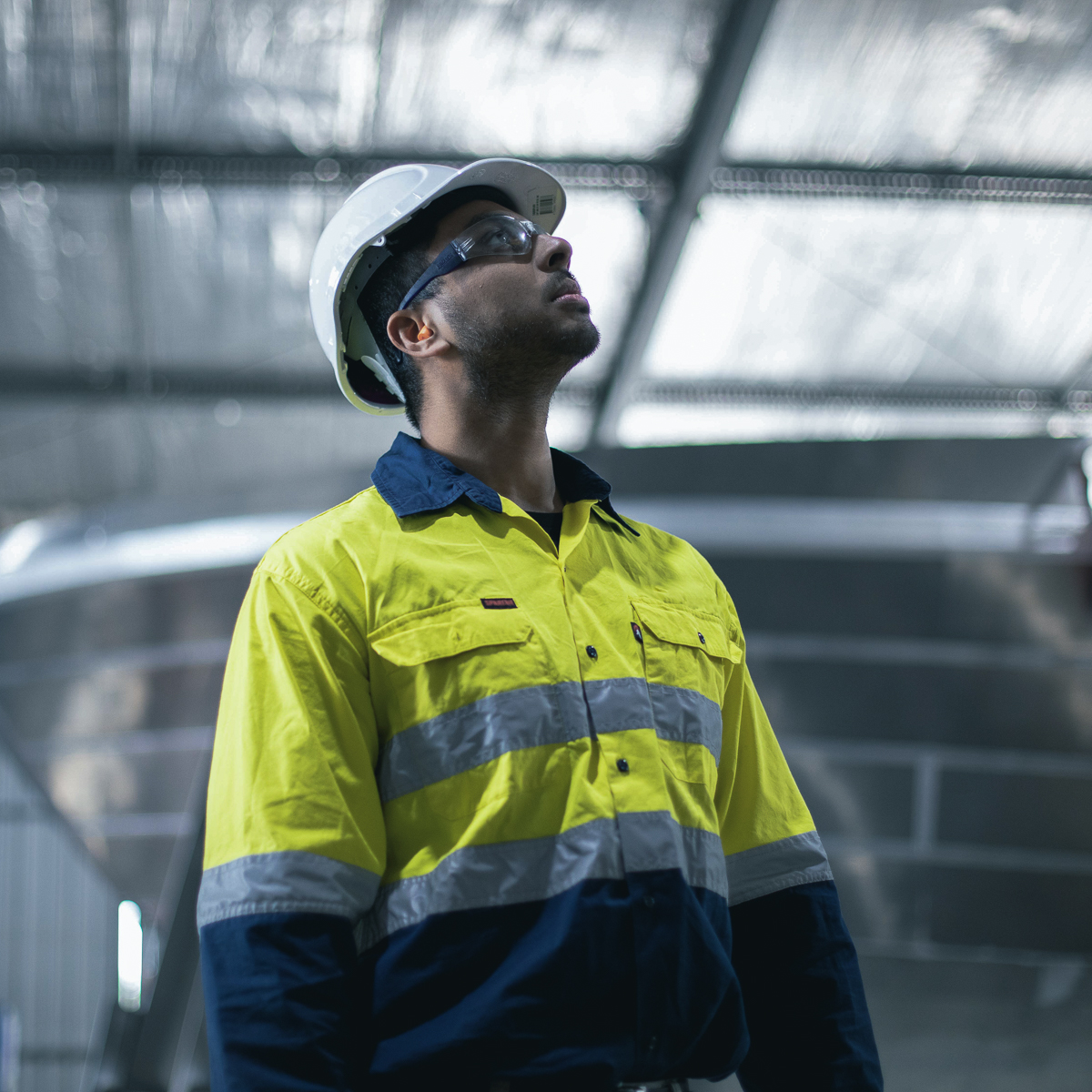
Safety inspections are about seeing what’s happening on the ground, in real time. They help confirm that what’s written in the system is actually showing up in the field, while also surfacing risks early and reinforcing strong safety habits.
Scheduled walkthroughs that assess the effectiveness of safety controls in day-to-day operations. These inspections help reinforce strong habits and identify areas for early improvement.
Why it matters
Fewer assumptions. Stronger decisions. Safer work.
WHS auditing and safety inspections are essential to protecting people and maintaining business continuity across Perth and WA. They offer a grounded view of how systems and behaviours align, and highlight where improvements are needed.
Results That Matter
From advisory to implementation, our services integrate seamlessly into your operations, delivering practical, measurable outcomes across every stage of your WHS journey.
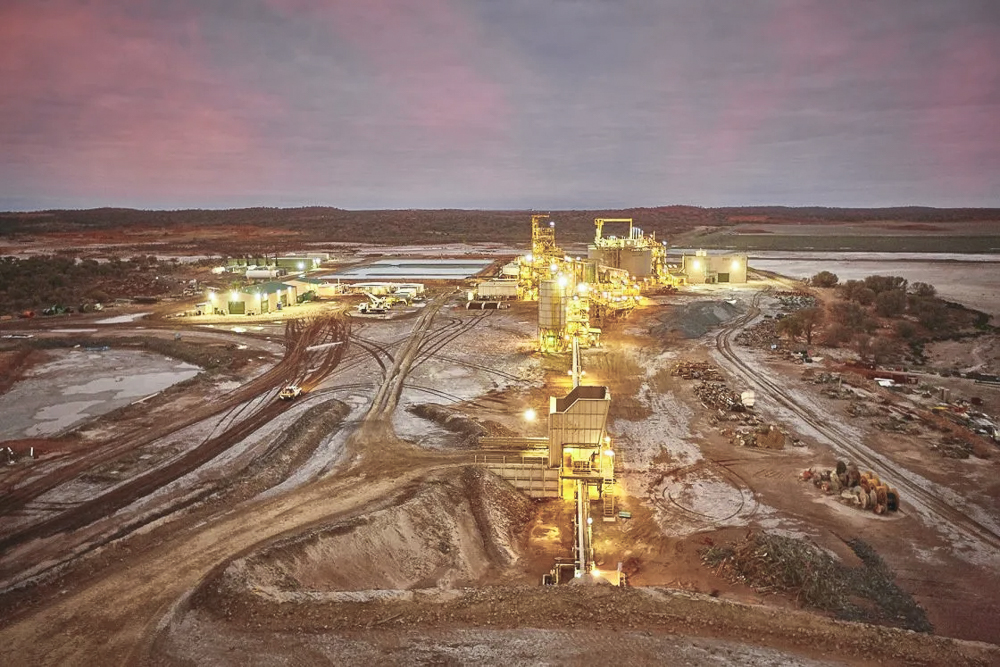



Okane worked with Epigroup to support our health and safety needs across our offices in Perth and Brisbane. Epigroup was professional, responsive, and easy to work with, providing clear and timely support across multiple locations. Consultants were knowledgeable and practical, focusing on real outcomes rather than just paperwork.
Jessie VanVaals
Vice President, Human Resources & Safety
Related Insights
We proactively identify and promptly address issues and concerns for our clients. Stay informed with our latest articles and insights on the WHS landscape in Western Australia.

Frequently asked questions
We bring a clear, practical approach to risk facilitation that surfaces what matters most: the risks that affect safety, performance, and operational confidence. By asking the right questions and applying proven tools, we help organisations cut through complexity, align stakeholders, and make decisions that stick.
A WHS audit runs through a structured five-stage process: scope agreement, onsite verification, structured reporting, and follow-up action. In the scope stage we agree the audit boundary, framework (ISO 45001, WA WHS Regulations, contractor standards), and reporting format. Onsite, our auditors observe operations, review documentation, interview team members, and check control effectiveness. The report captures findings against ratings and priorities, and we support the actions that follow.


Let's build something stronger together.
Whether you’re looking for strategic advisory, hands-on implementation, or practical tools your teams can use today, we’re here to help.